Castrum Peregrini
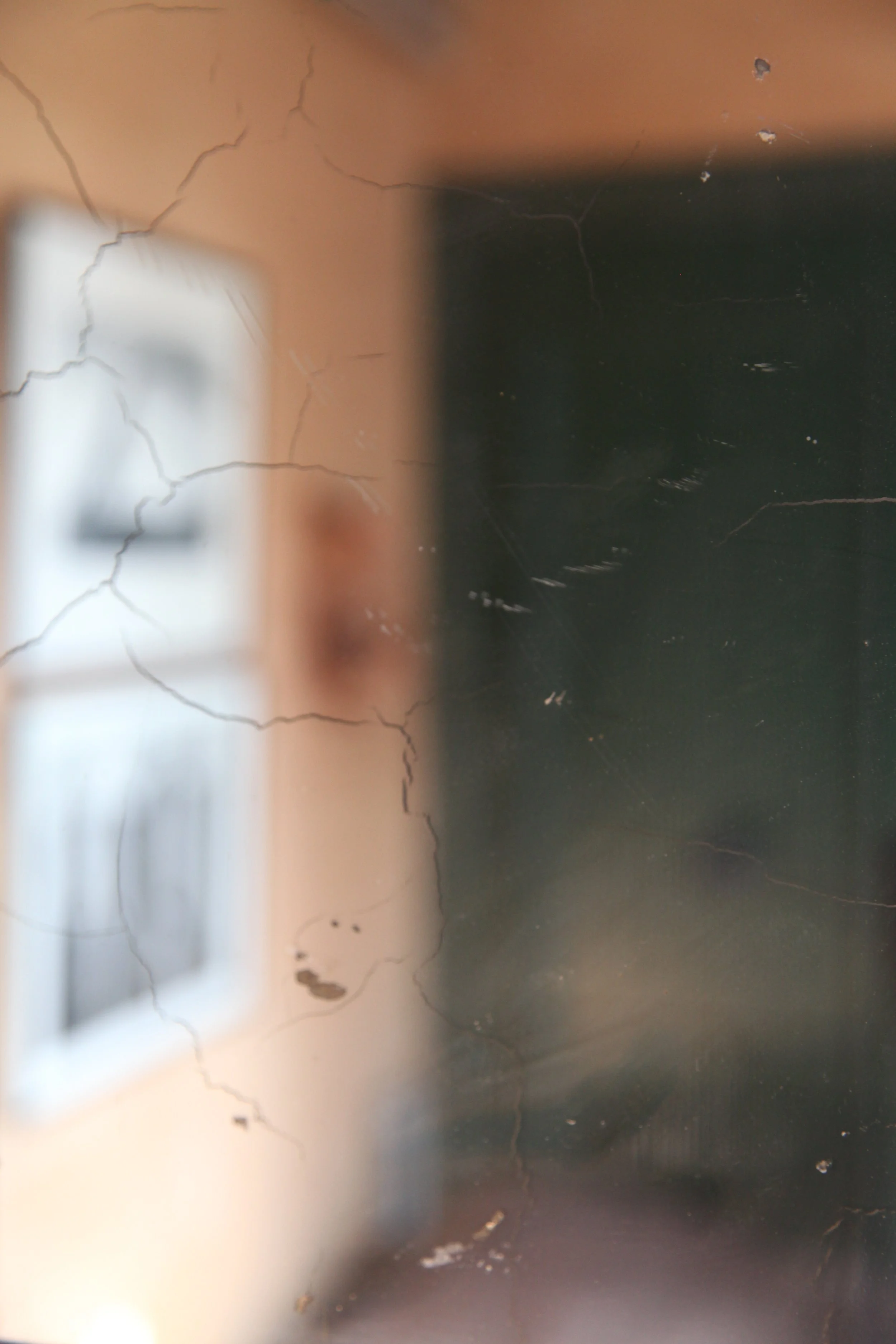
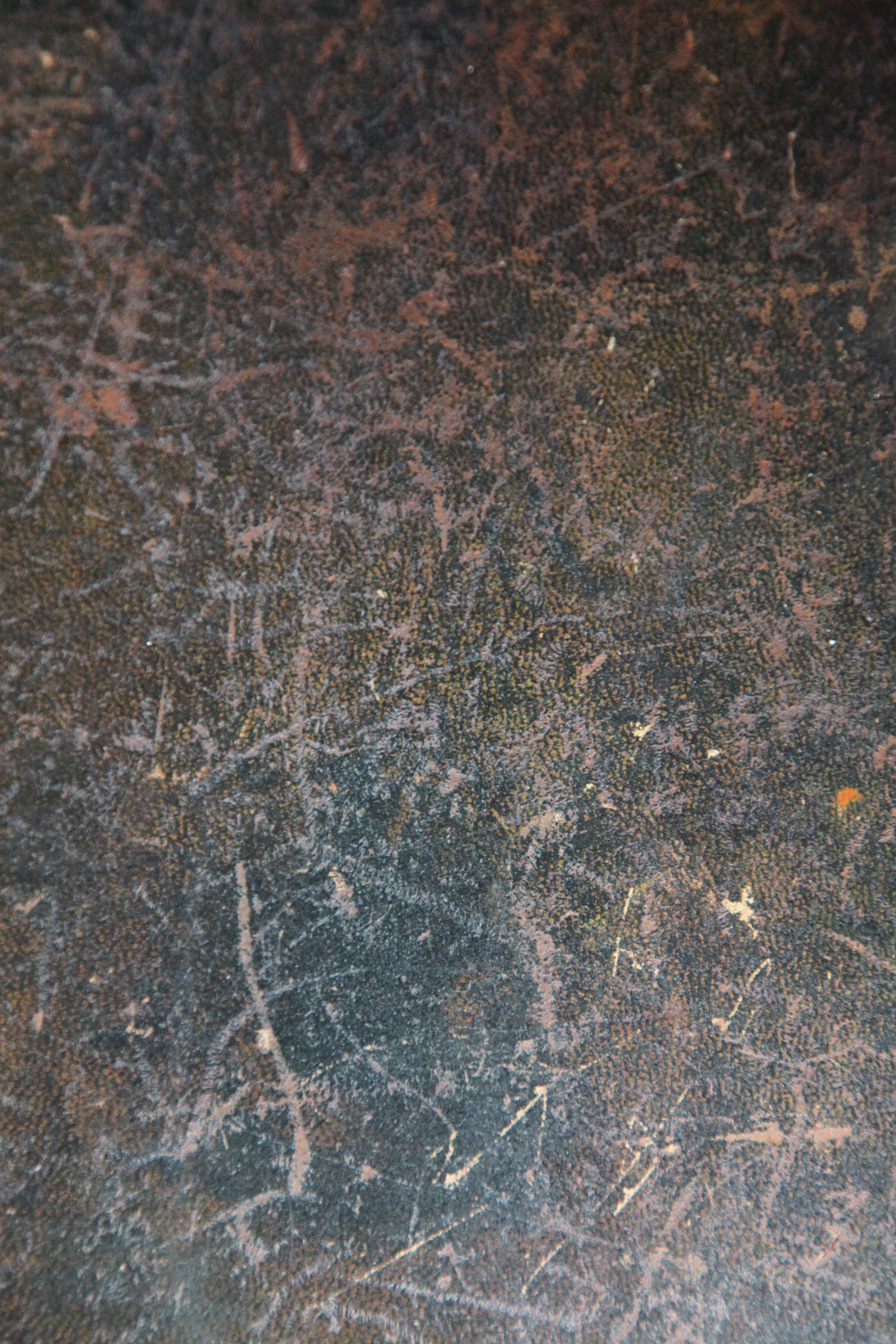
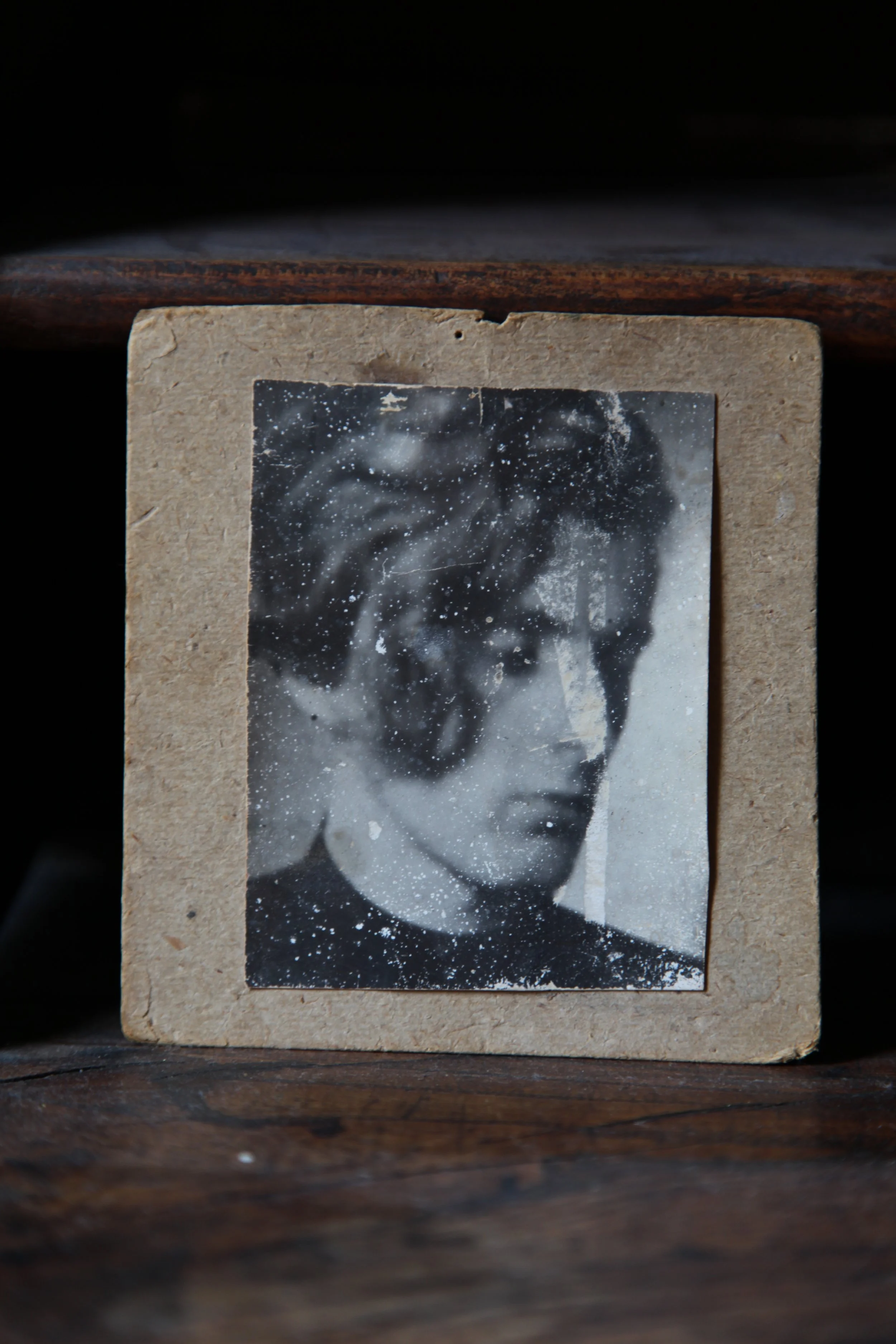
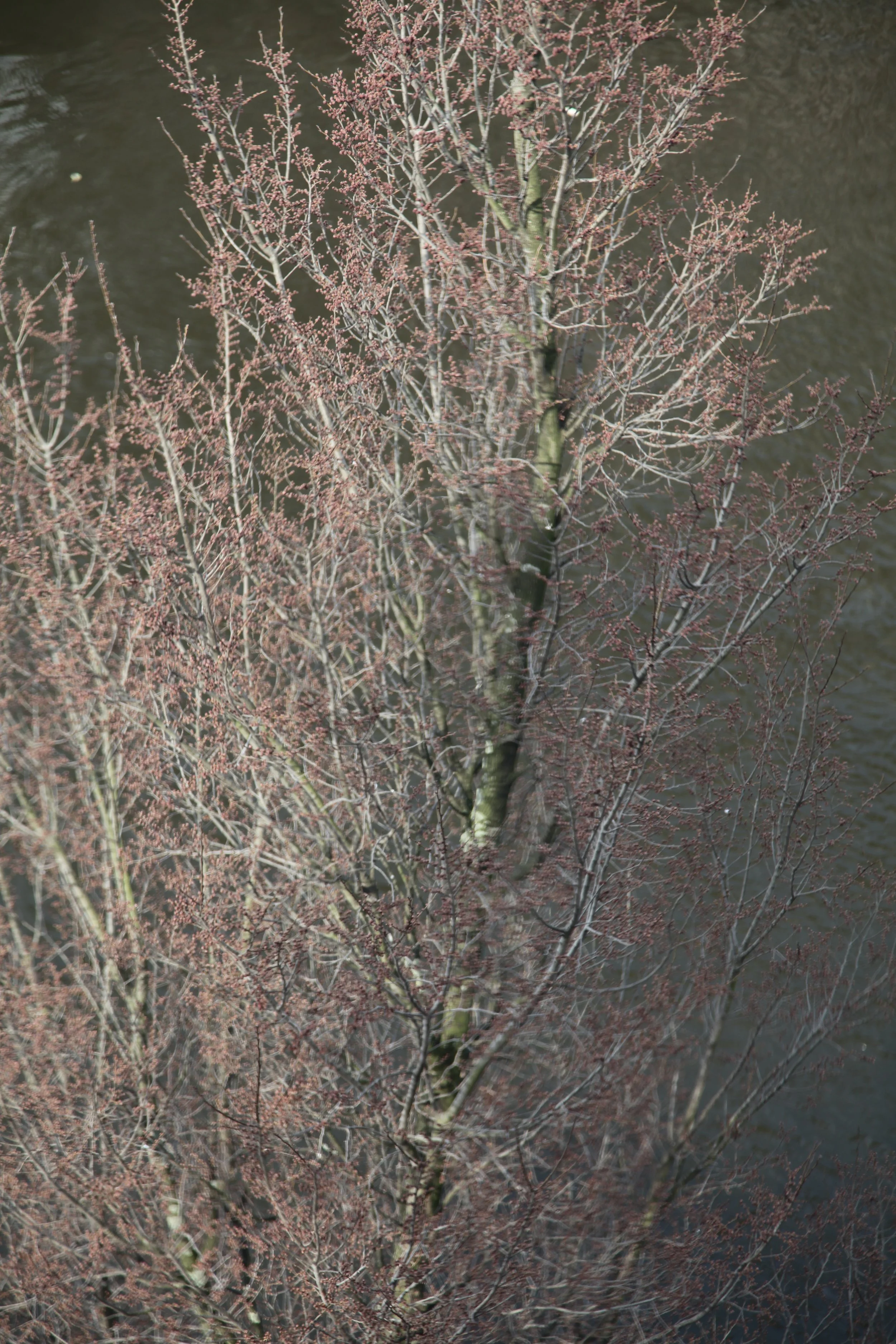
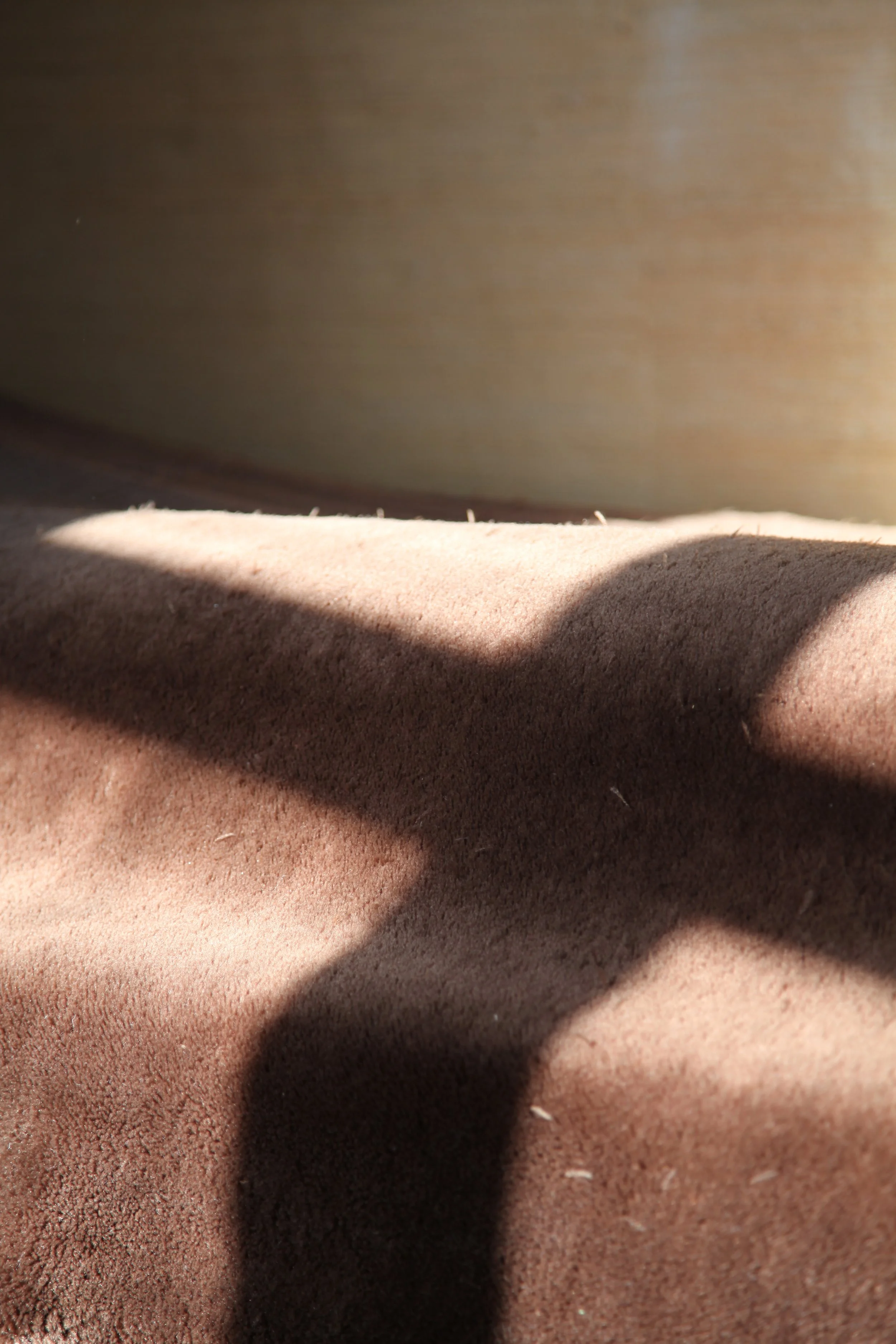
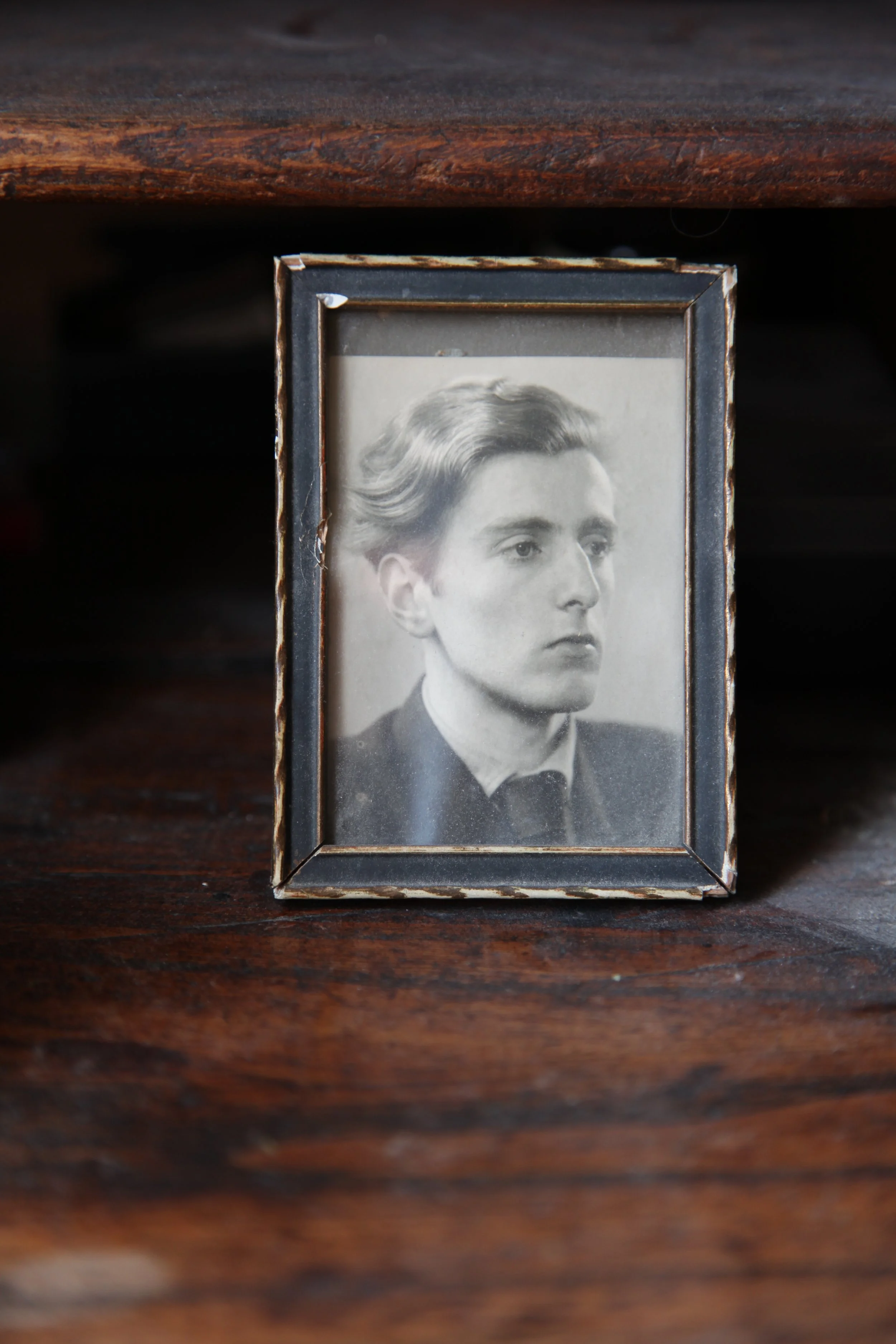
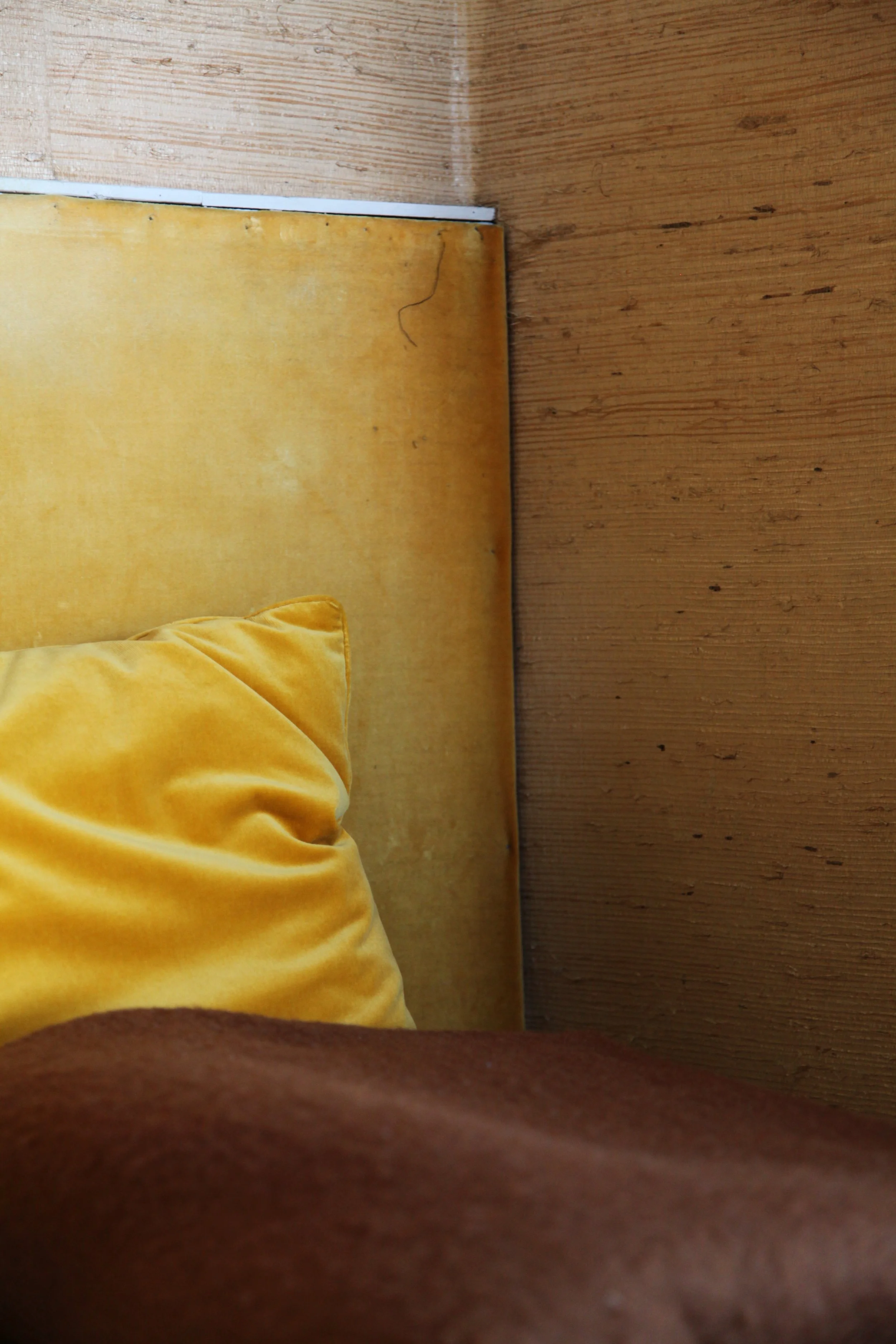
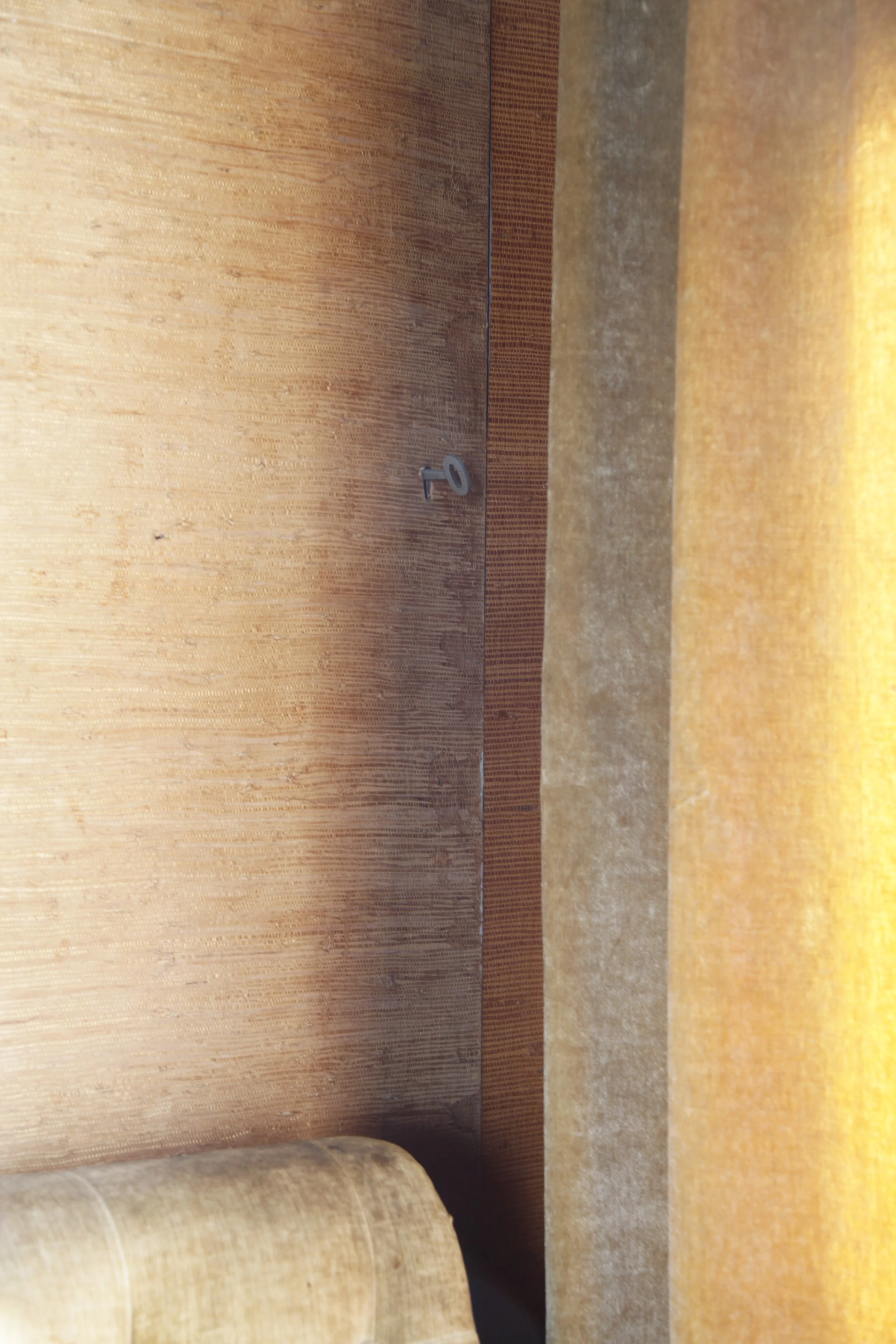
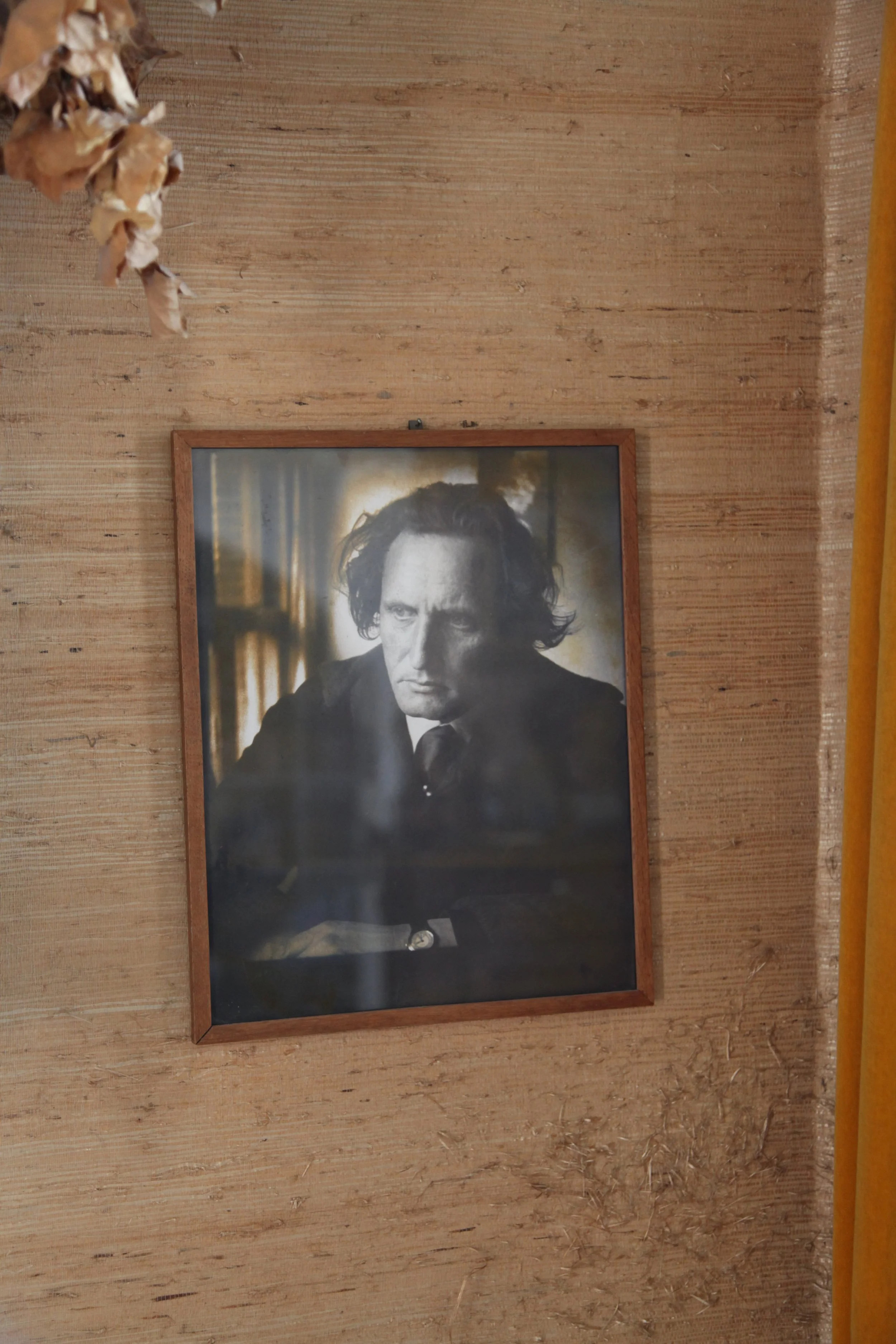
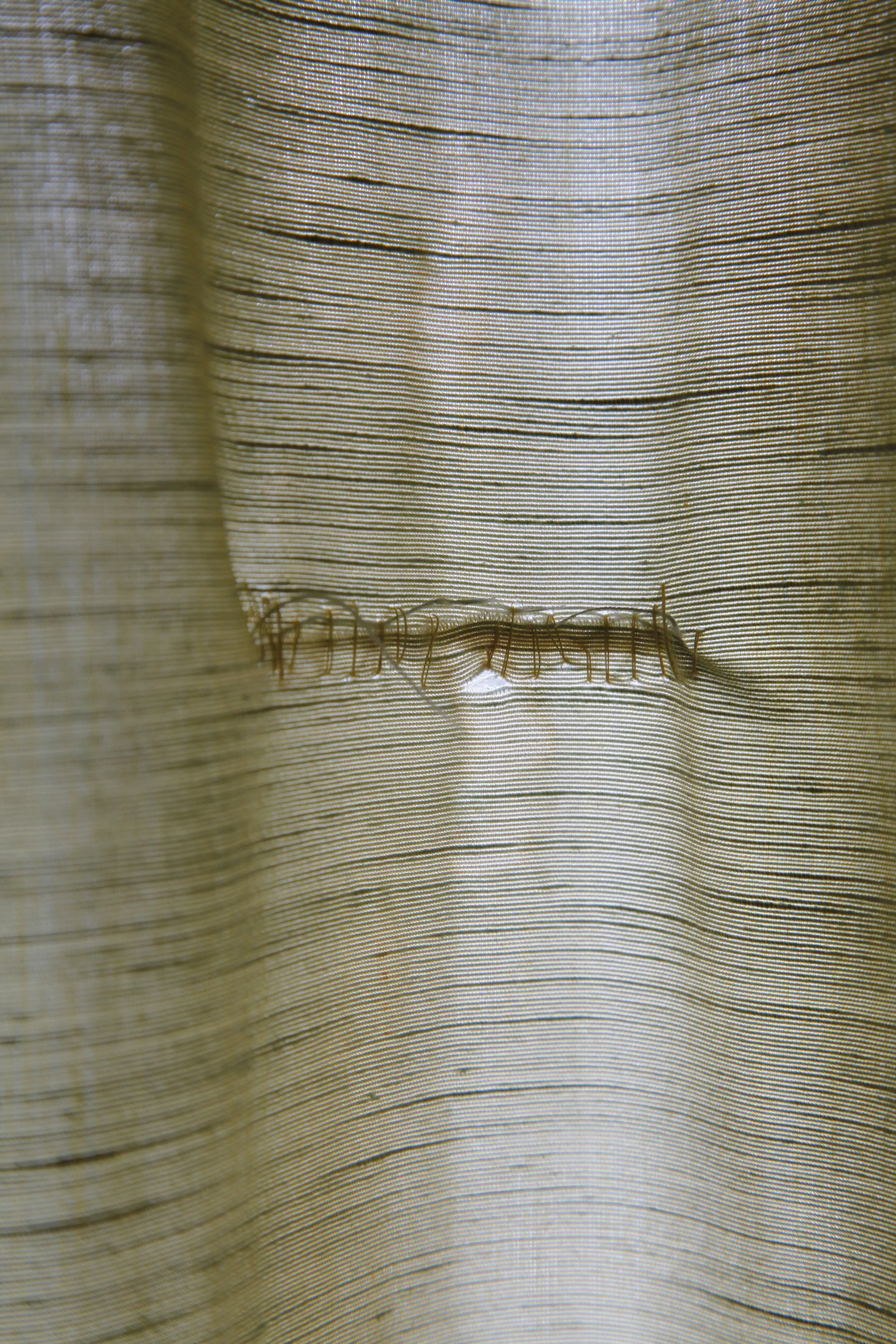
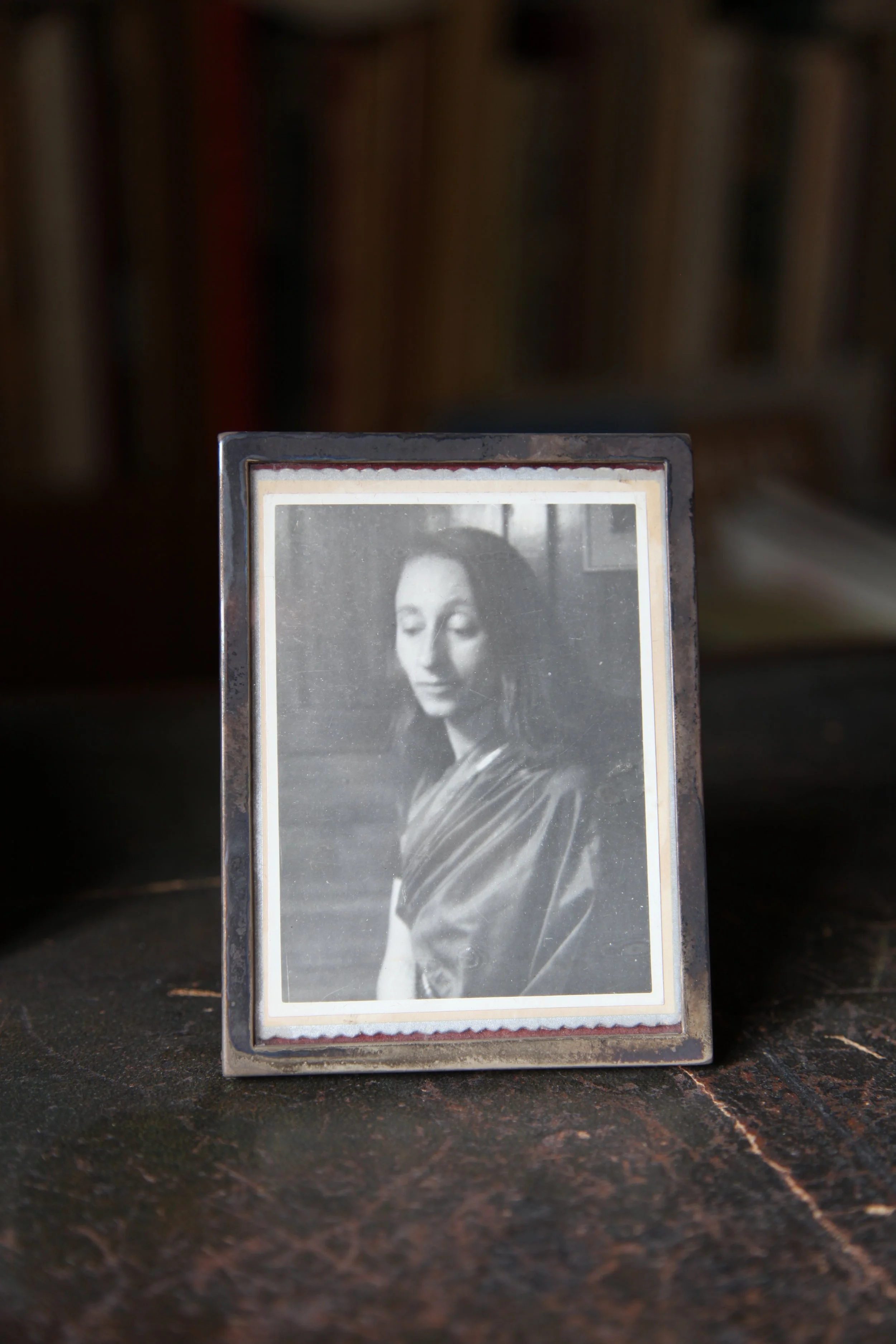
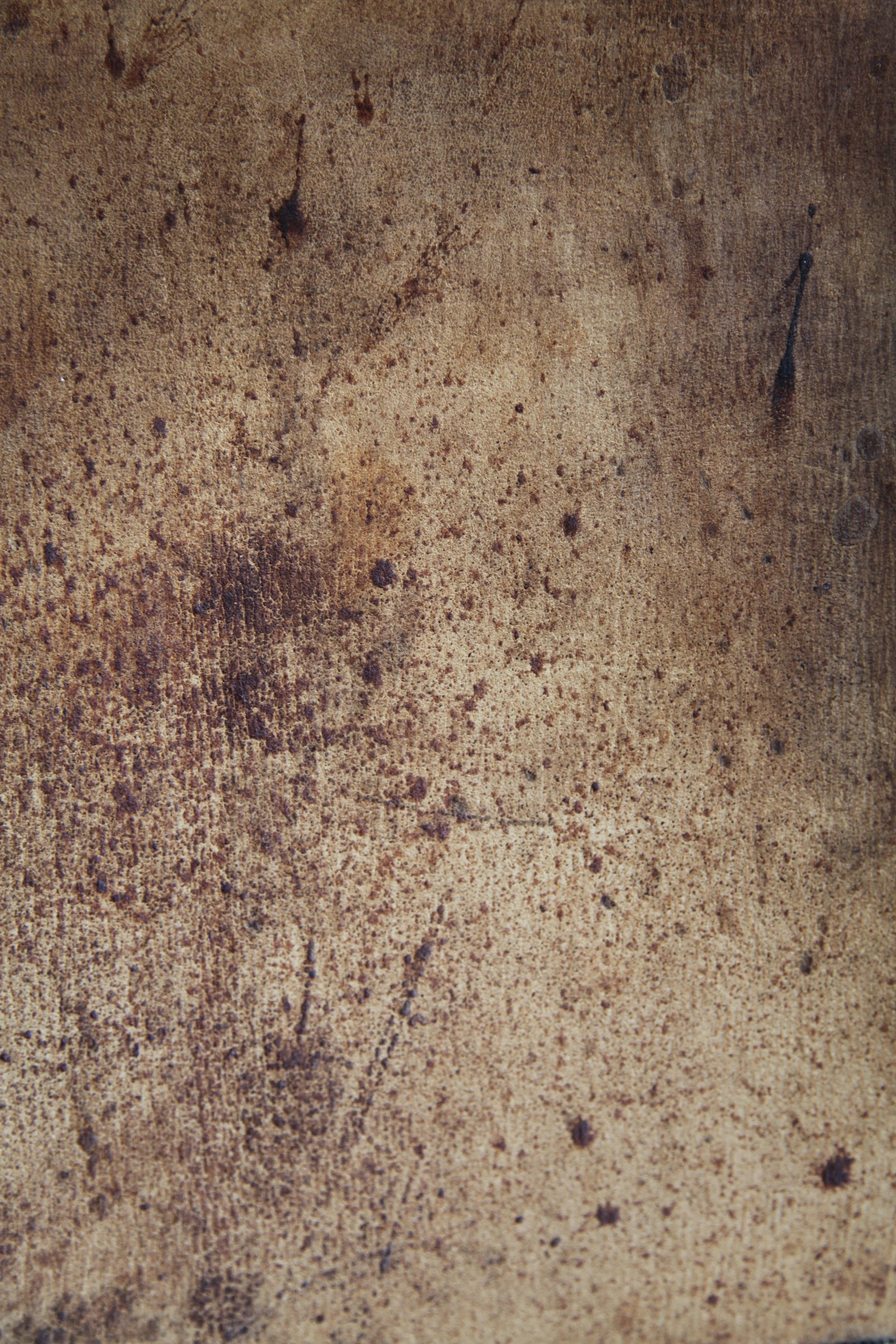
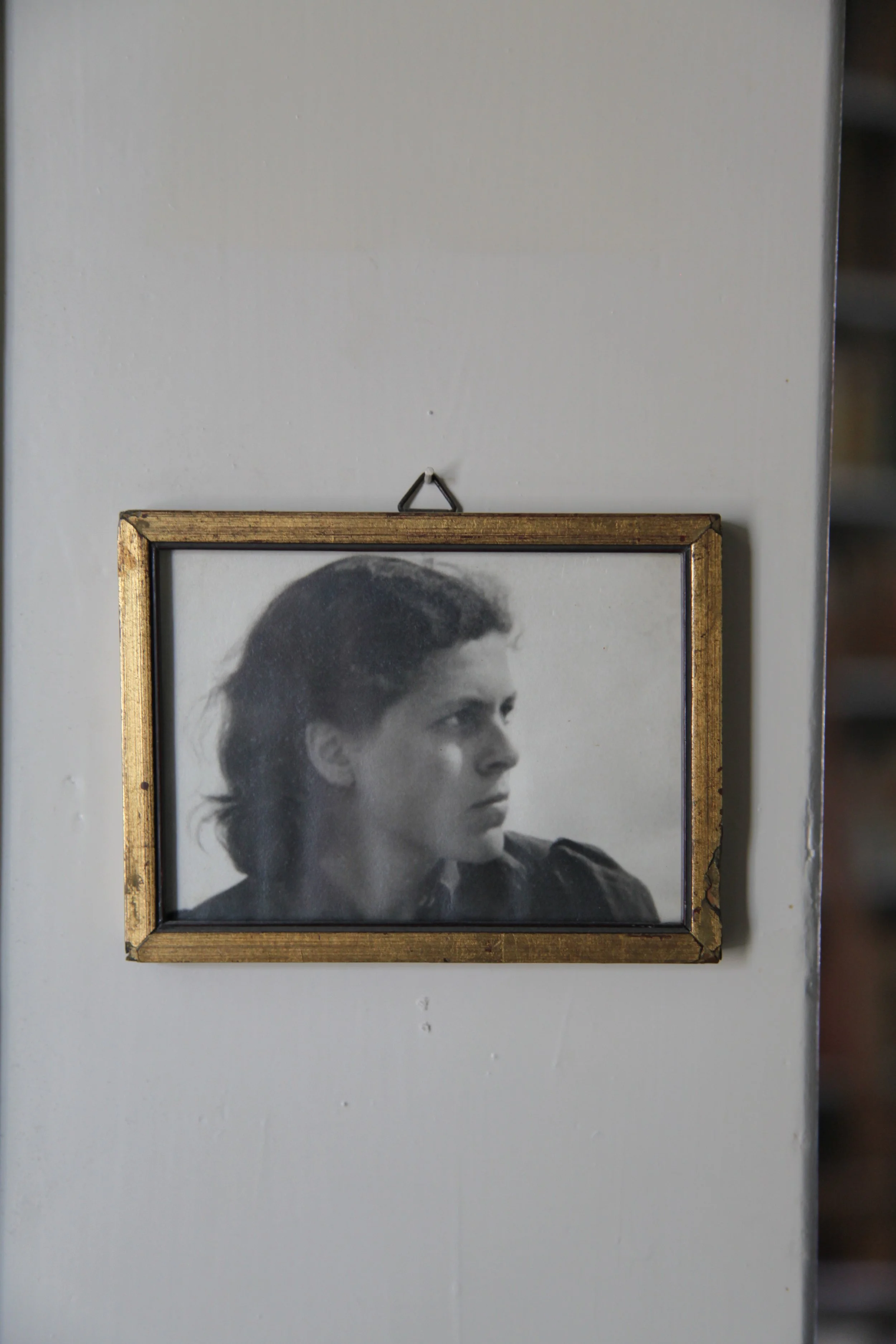
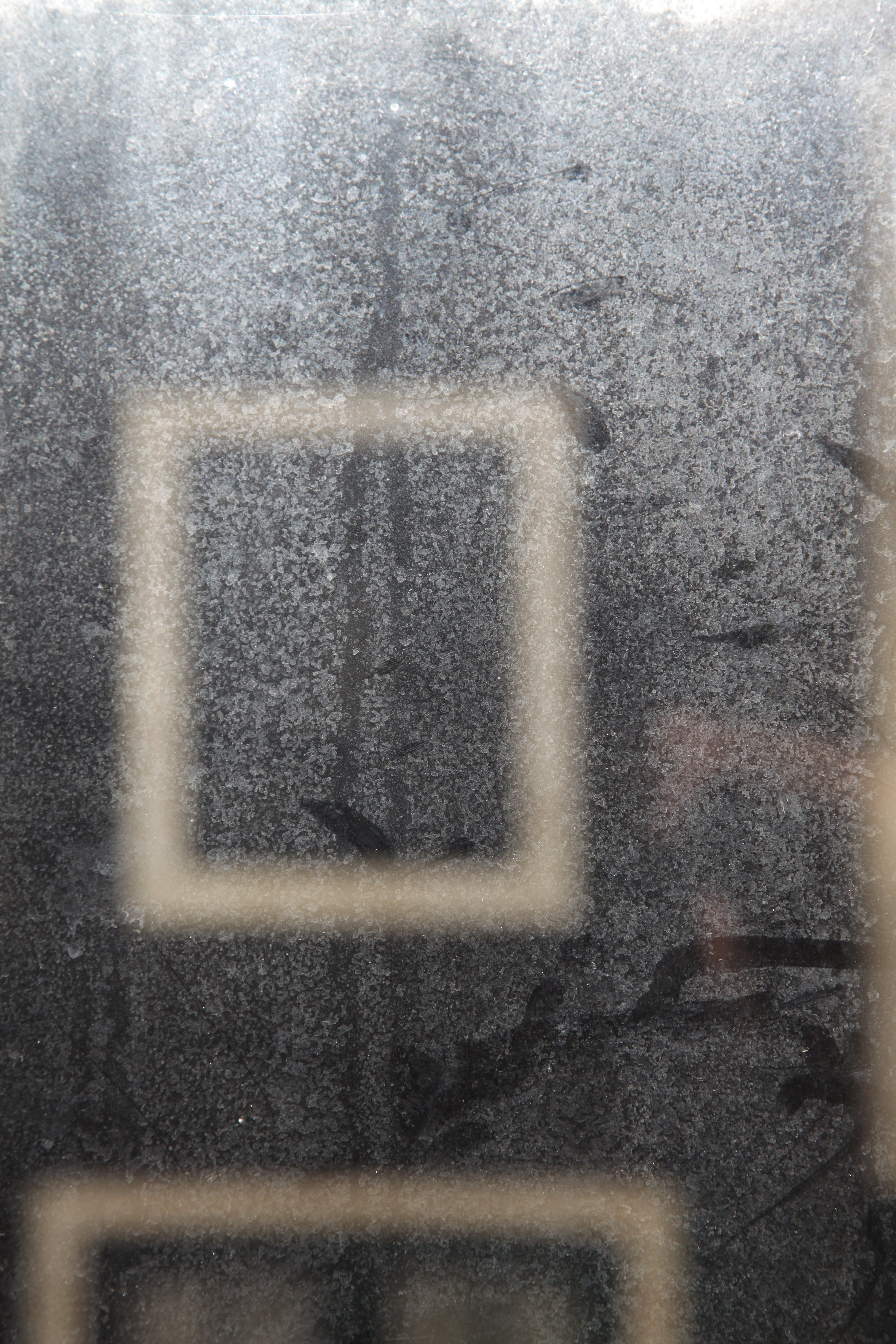
Ik voel me aangetrokken tot huizen waarin het verleden voelbaar is, plekken waar zich iets heeft afgespeeld, plekken met een ziel. Castrum Peregrini is zo’n plek. De ruimte ademt geschiedenis: de krassen op het leren bureaublad, het sleutelgat in een verborgen deurtje, een verweerde spiegel, foto’s van mensen die tijdens de Tweede Wereldoorlog in het pand hebben gewoond en ondergedoken zaten. Het tijdloze uitzicht op de iep aan de gracht versterkt dit gevoel van continuïteit. Het is niet mijn bedoeling de locatie te documenteren; het voor de hand liggende laat ik weg. Met mijn foto’s probeer ik de tijd tussen heden en verleden op te heffen en ruimte te maken voor de verbeelding en ervaring van de kijker.
Castrum Peregrini (‘Burcht van de Pelgrim’) was de schuilnaam van het onderduikadres van kunstenares Gisèle Waterschoot van de Gracht. Samen met de Duitse dichter Wolfgang Frommel bood zij onderdak aan Joodse scholieren op een etage aan de Herengracht in Amsterdam. Kunst en literatuur hielpen hen de oorlog door. Na de bevrijding kocht Gisèle het hele huis. De voormalige onderduikers richtten in het pand de culturele stichting Castrum Peregrini op. Het pand functioneert nog steeds als plek voor onderzoek, kunst en debat, sinds 2019 onder de naam H401.
Castrum Peregrini
I am drawn to houses where the past can still be felt — places where something has happened, places with a soul. Castrum Peregrini is such a place. The space breathes history: scratches on the leather desk, the keyhole of a hidden door in the wall, a weathered mirror, photographs of people who lived in the house during the Second World War while in hiding. The timeless view of the elm tree along the canal reinforces this sense of continuity.
It is not my intention to document the location; I leave out the obvious. Through my photographs I try to dissolve the distance between past and present, creating space for the viewer’s imagination and experience.
Castrum Peregrini (‘The Pilgrim’s Fortress’) was the codename for the hiding place of the artist Gisèle Waterschoot van der Gracht. Together with the German poet Wolfgang Frommel, she sheltered Jewish students in an apartment on the Herengracht in Amsterdam. Art and literature helped them endure the war. After the liberation, Gisèle was able to buy the entire house. The former people in hiding later founded the cultural foundation Castrum Peregrini there. The building still functions as a place for research, art and debate, and since 2019 continues under the name H401.